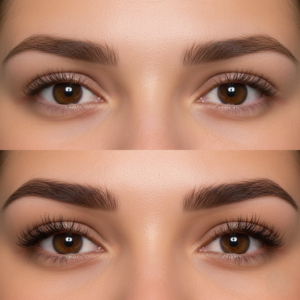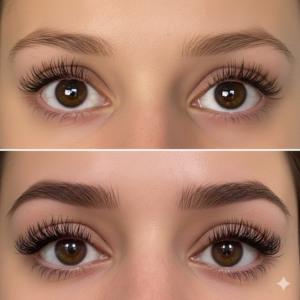
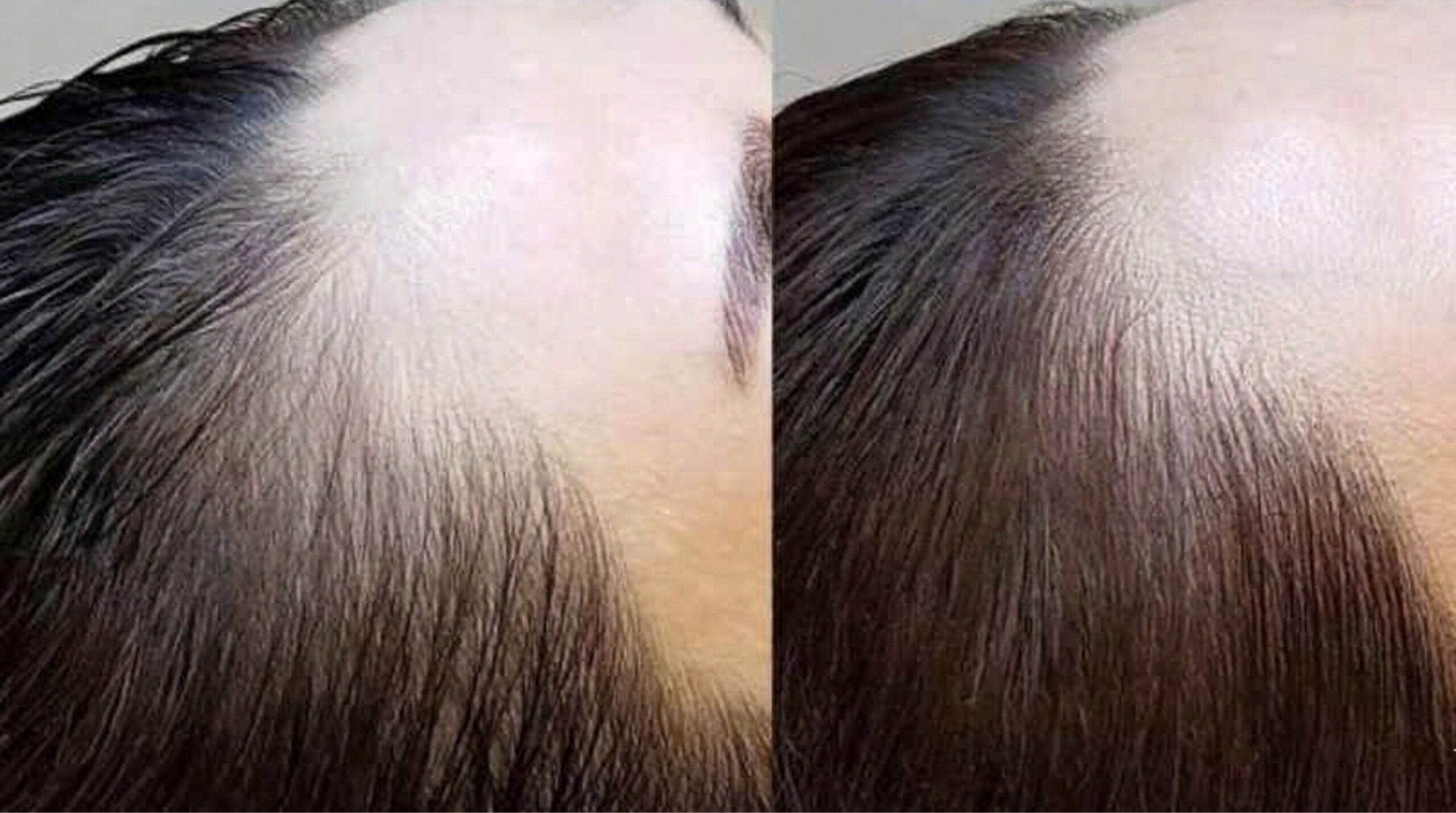
If you are searching for scalp micropigmentation in London or hairline microblading London, it usually means one thing. You are noticing changes along your hairline and you want a solution that looks natural, subtle and confidence boosting. For some people it is thinning around the temples. For others it is an uneven hairline, sparse baby hairs or areas that no longer grow as they once did. London has become a major hub for advanced hair and scalp treatments, and professional microblading services are one of the most talked-about options for restoring definition to the hairline.
That said, it is not always the right choice for everyone. While social media often presents microblading as a quick fix, the reality is more nuanced. In this article we will talk through what hairline microblading actually is, its advantages and drawbacks, how it compares to scalp micropigmentation in London, and which option tends to work best for different hair types and levels of hair loss. The aim is not to sell you a treatment, but to help you understand what will genuinely work for you in the long term.
What Is Hairline Microblading?
Hairline microblading is a semi-permanent cosmetic tattooing technique that originated in the eyebrow industry. Over time, practitioners adapted it for use along the hairline. The treatment involves using a small handheld blade made up of fine needles to manually implant pigment into the upper layers of the skin. These pigments are placed in thin strokes designed to mimic the look of individual hairs or baby hairs at the front of the scalp. Unlike scalp micropigmentation, which focuses on creating the appearance of shaved hair density, microblading is designed to replicate fine, wispy hair detail.
In a London clinic, the process usually starts with a consultation where the practitioner assesses your natural hairline, skin type and hair colour. A new hairline shape is then drawn on and adjusted until it suits your face shape and looks realistic. Once agreed, the pigment is implanted stroke by stroke along sparse or uneven areas. The goal is not to create density in the same way a hair transplant does, but to give the illusion of fullness and definition.
Results typically last between twelve and twenty four months. Over time the pigment fades gradually and touch ups are needed to maintain the look. Factors such as oily skin, sun exposure, skincare products and lifestyle all influence how long the results last. In a city like London where pollution and busy lifestyles play a role, longevity can vary significantly from person to person.
Why Hairline Microblading Has Become Popular in London
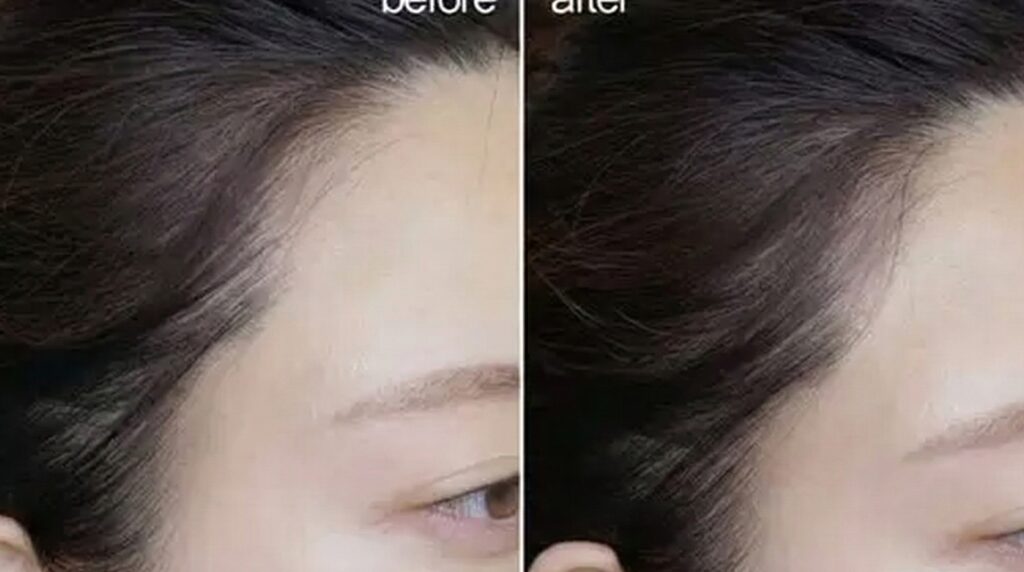
Hairline microblading in London has grown in popularity largely because it offers a relatively quick and non-surgical solution. Many people are not ready for invasive treatments or want something more effective than temporary concealers. Microblading sits somewhere in the middle. It is more durable than makeup but less permanent than a transplant or scalp micropigmentation. For those looking for more in-depth medical insights on the procedure, you can check out the WebMD microblading guide.
Another reason is aesthetic trends. Fuller hairlines and soft baby hairs are often associated with youthfulness. For clients who have always had a naturally high or uneven hairline, microblading can feel like a way of restoring what they believe they should have had all along. London practitioners also tend to be highly skilled, particularly those who cross-train in cosmetic tattooing and medical scalp treatments.
The Pros of Hairline Microblading
One of the biggest advantages of hairline microblading is how natural it can look when done well. For clients with mild thinning or gaps, especially those who still have a fair amount of natural hair at the front, microblading can blend seamlessly. The fine strokes can soften harsh edges and make the hairline appear more balanced without looking obvious.
Another benefit is the confidence boost. Hairlines frame the face, and even small improvements can change how someone feels day to day. Many clients say they feel less self conscious when styling their hair back or wearing it up. There is also the convenience factor. Once healed, there is no need to fill in the hairline with pencils, powders or sprays each morning.
Hairline microblading is also customised. In reputable London clinics, the pigment colour, stroke thickness and placement are tailored to your features. This bespoke approach is one of the reasons results can look so convincing when performed by an experienced practitioner.
Finally, it is semi permanent. For some people, this is reassuring. Knowing that the pigment will fade over time can feel safer than committing to something permanent, particularly if you are trying a cosmetic hair treatment for the first time.
The Cons of Hairline Microblading
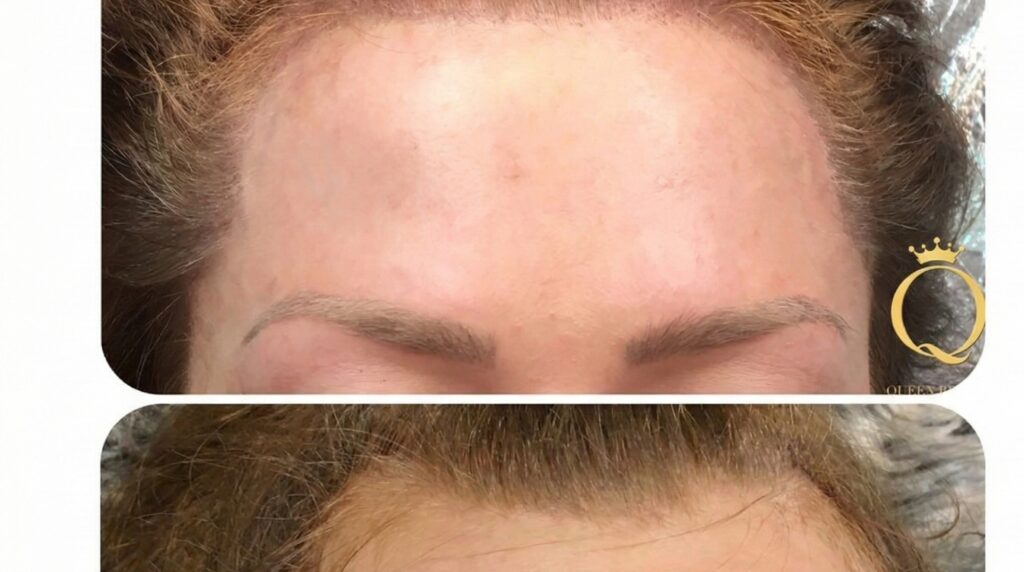
Despite its benefits, hairline microblading has limitations. One of the most important is skin type. Oily skin is very common, and it does not always retain microblading strokes well. The pigment can spread slightly under the skin, causing strokes to blur and lose definition. Over time this can make the hairline look less crisp and more shaded than intended.
Fading is another issue. While gradual fading is often marketed as a positive, it also means ongoing maintenance. Touch ups are usually needed every twelve to eighteen months, sometimes sooner. In London, where quality work comes at a premium, these costs can add up.
There is also the risk of unnatural results if the treatment is not done correctly. Hairlines change as we age. A design that looks perfect now may not suit you in five years. Because microblading follows trends, there is a danger of ending up with a hairline that feels dated or out of place later on.
Flexibility is limited too. Unlike temporary options, you cannot simply wash microblading off. Removal is possible, but it involves laser or saline treatments, which can be time consuming and uncomfortable. This is why choosing the right practitioner and the right treatment from the start is crucial.
Hairline Microblading vs Scalp Micropigmentation in London
One of the most common questions clients ask is how hairline microblading compares to scalp micropigmentation in London. Although they are often grouped together, they are very different techniques.
Scalp micropigmentation, often called SMP, uses a digital machine to implant tiny dots of pigment into the scalp. These dots replicate the look of hair follicles rather than individual strands. The effect is more like a soft shadow or density illusion. SMP is used for receding hairlines, thinning areas, alopecia and even complete baldness.
In contrast, microblading relies on strokes. These strokes aim to look like hairs, which can be effective in very specific cases but less so as hair loss progresses. SMP tends to be more versatile and longer lasting. It works well on most skin types, including oily skin, and the pigment generally holds its shape better over time.
Another key difference is longevity. Scalp micropigmentation in London often lasts several years with only occasional maintenance. It fades slowly and evenly. Microblading fades faster and can change in appearance as strokes blur.
From a technical perspective, many advanced London clinics now prefer SMP or machine based hairline tattooing over traditional microblading. This is because machines offer greater precision and consistency, especially on the scalp where the skin is thicker and oilier than the brow area.
Which Option Works Best for Different Hair Types
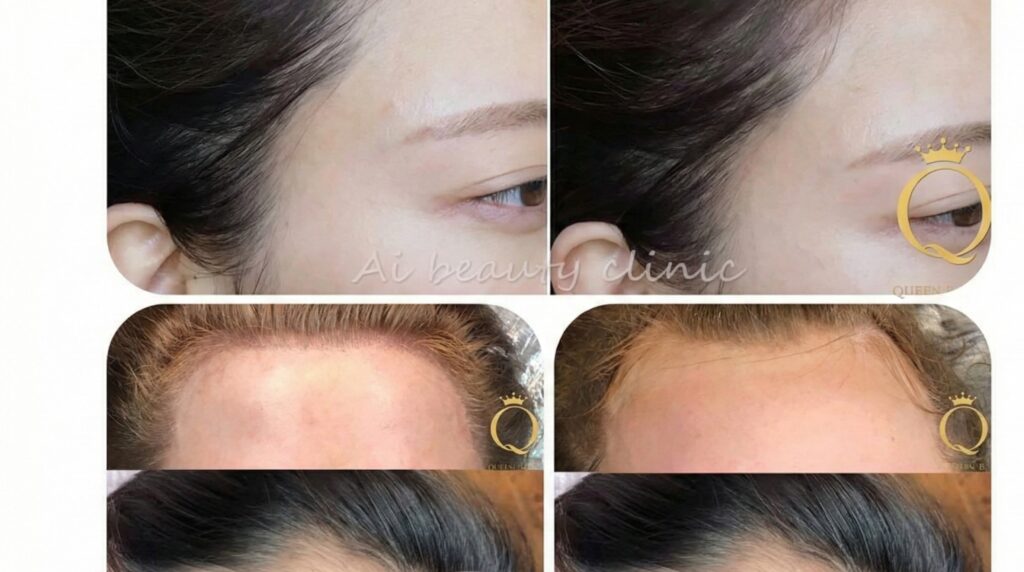
Choosing between hairline microblading and scalp micropigmentation depends largely on your hair type and level of hair loss. If you have thick hair overall with only slight thinning at the very front, microblading can sometimes work well. It is most suitable for people who want to enhance what is already there rather than create the illusion of density from scratch.
If your hair is fine or you have more noticeable recession, scalp micropigmentation in London is often the better option. SMP does not rely on hair like strokes, so it remains realistic even as hair continues to thin. It also blends well with natural hair, whether worn short or long.
For people with curly or textured hair, SMP can be particularly effective because it creates the appearance of fullness at the scalp level without trying to mimic individual strands. Microblading strokes, on the other hand, can sometimes look inconsistent when mixed with textured hair.
Those with oily skin usually achieve better results with SMP as well. The pigment retention is more predictable and the dots stay crisp. Microblading on oily skin often requires more frequent touch ups and carries a higher risk of blurring.
Other Alternatives to Consider in London
Aside from microblading and scalp micropigmentation, there are other options available in London. Temporary solutions like hair fibres and concealers are popular for special occasions or for people who are not ready for semi permanent treatments. They can work well but require daily application and are affected by weather and activity.
Hair transplant surgery is another alternative for those seeking a permanent solution. It involves relocating hair follicles from one area of the scalp to another. While effective, it is invasive, expensive and requires recovery time. It also does not suit everyone, particularly those with limited donor hair.
Medical treatments such as topical solutions or injectable therapies can help slow hair loss and, in some cases, encourage regrowth. Results vary and these treatments are usually most effective when started early.
Choosing the Right Specialist in London
No matter which route you choose, the practitioner matters as much as the treatment itself. London has a wide range of clinics offering hairline microblading and scalp micropigmentation, but quality varies. A good specialist will take time to assess your hair loss honestly and discuss all suitable options.
Always look at real before and after photos, not just social media highlights. Book a consultation and ask questions about longevity, maintenance and how the treatment will age over time. The best practitioners will not push you towards a treatment that is not right for you.
Final Thoughts
Hairline microblading London can be a confidence boosting solution for the right person, particularly those with mild thinning who want subtle enhancement. However, it is not a universal fix. Understanding its limitations is just as important as appreciating its benefits.
For many people, scalp micropigmentation in London offers a more durable and versatile alternative, especially as hair loss progresses. By considering your hair type, skin type and long term goals, you can choose a solution that looks natural not just now, but for years to come.
FAQ
Hairline microblading usually lasts between twelve and twenty four months. The exact duration depends on factors such as skin type, sun exposure, skincare products and how well aftercare instructions are followed. Oily skin tends to fade faster, which is why regular touch ups are often needed.
Most clients describe the sensation as mild to moderate discomfort rather than pain. A numbing cream is normally applied before the treatment to make the process more comfortable. Sensitivity can vary from person to person, especially around the temples and frontal hairline.
Yes, when performed by an experienced London practitioner and on the right candidate, results can look very natural. It works best for mild thinning or uneven edges where there is still existing hair to blend with. Poor technique or unsuitable hair loss patterns can lead to less realistic results.
Hairline microblading uses fine strokes to imitate individual hairs, while scalp micropigmentation uses tiny dots to replicate hair follicles and overall density. SMP generally lasts longer, works better on oily skin and suits more advanced hair loss, which is why many London clinics now recommend it over microblading.
People with very oily skin, advanced hair loss, or rapidly receding hairlines may not be ideal candidates. In these cases, alternatives such as scalp micropigmentation in London or medical hair loss treatments often provide more stable and long lasting results.