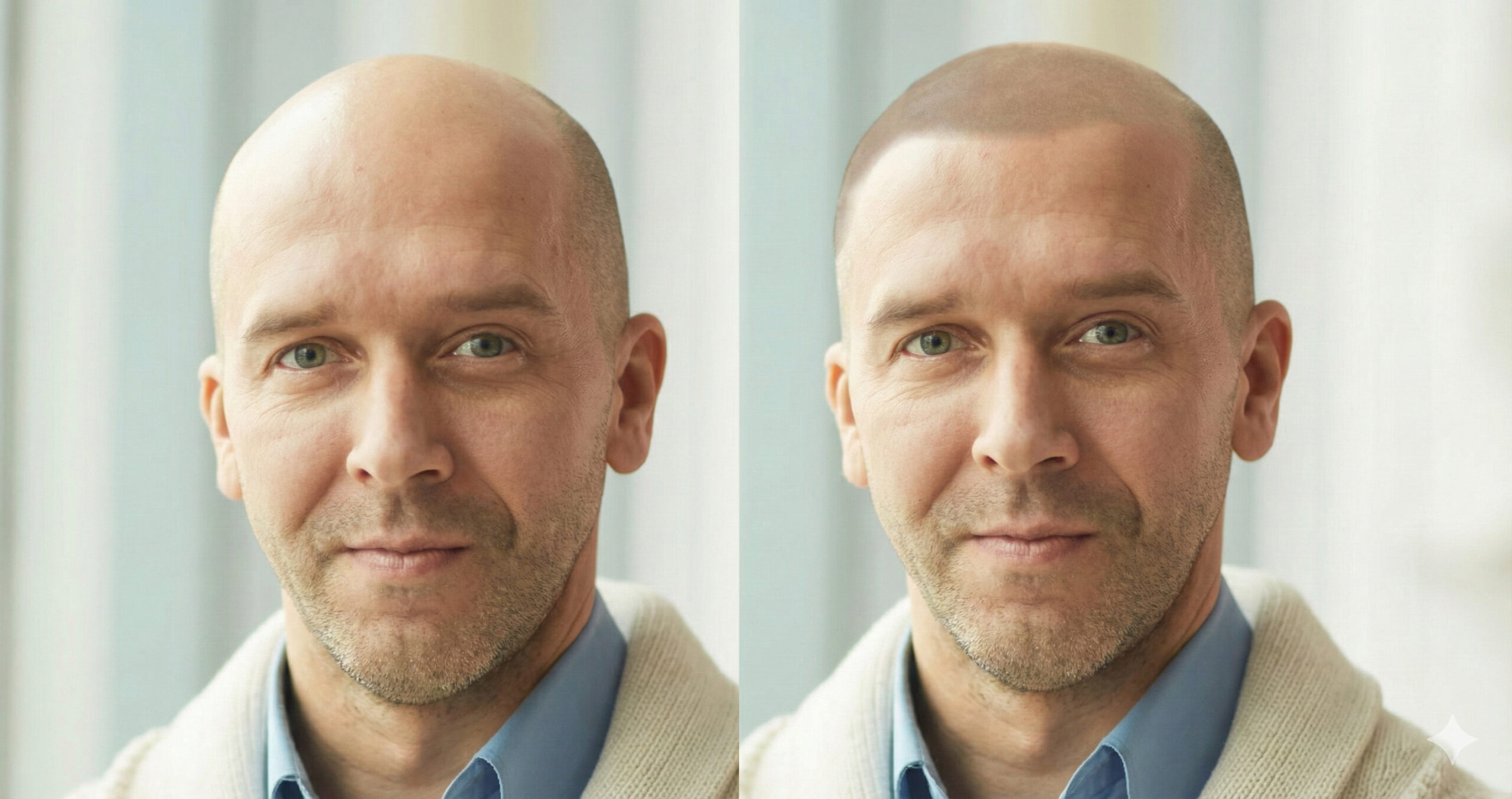
Scalp Micropigmentation is a proven, non-surgical solution for hair loss that creates the appearance of a fuller scalp and a natural hairline. When searching for affordable options, it’s important to understand that price varies based on the size of the treatment area, number of sessions, and practitioner experience. Affordability should never mean poor quality.
Many Scalp Micropigmentation London clinics are able to offer competitive pricing by operating from lower-overhead locations or providing tailored treatment plans. A reputable clinic will always offer a clear consultation, high-quality pigments, and realistic results rather than cutting corners.
Choosing affordable Scalp Micropigmentation in London means finding the right balance between cost, expertise, and long-term value. With the right provider, you can achieve natural, confidence-boosting results without surgery or excessive expense.
How Pricing Works
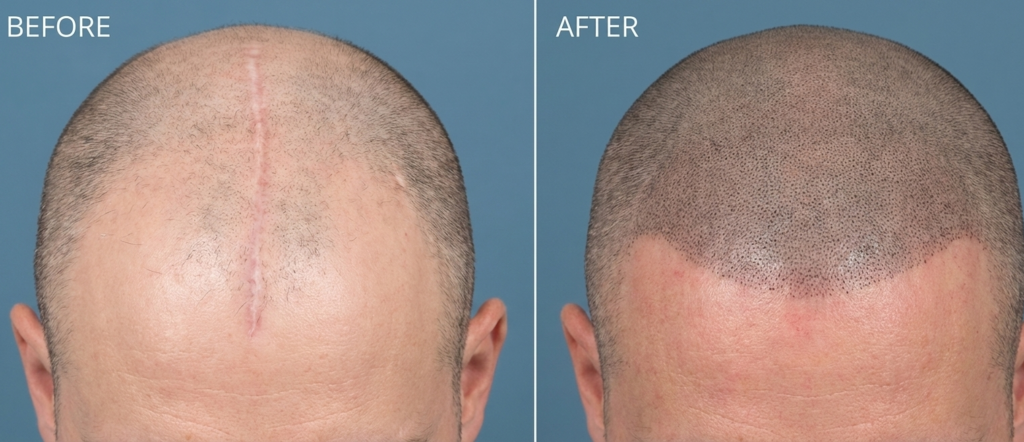
The price of SMP in London depends on several factors, with the size of the area being the most significant. A small hairline reconstruction will cost less than treating the crown or full scalp. Pricing is usually based on the amount of work required and the number of sessions needed, which is typically two to three and included in the overall quote.
Experience also affects cost. Established practitioners with extensive training, strong portfolios, and clinics in central London generally charge more than newer artists. While this doesn’t mean less-experienced practitioners can’t achieve good results, it makes reviewing their work and background essential. If you’d like guidance on what level of treatment suits you, feel free to contact us for advice.
Clinic location influences pricing as well. Practices in areas such as Mayfair, Kensington, or Soho have higher overheads, while clinics slightly outside the centre can often offer more competitive rates without compromising quality.
Finally, pricing includes high-quality pigments, specialist equipment, and the time spent designing a natural hairline. Premium pigments are crucial for long-lasting, natural results. For a personalised quote, contact us to arrange a consultation.
What Affects Cost
There are a few elements that can cause the price to rise or fall. One major factor is the complexity of your hair-loss pattern. Someone with minimal thinning may only need subtle density work. In contrast, a person with advanced baldness might require more extensive shading across the scalp. This naturally means more time, more pigment, and more meticulous blending.
Your skin type can also influence the process. People with sensitive skin or conditions such as psoriasis might require gentler sessions, which can affect scheduling. Although this does not always affect pricing, it may alter the way your practitioner approaches the treatment plan.
Another element is how precise or detailed you want your hairline to be. Some people prefer a soft, diffused edge while others want a sharper, more defined look. The more technical the design, the more time the practitioner spends building the perfect shape for your facial structure.
It is worth remembering that SMP is a skilled craft. Each microdot must be perfectly placed to create the illusion of natural hair follicles. When a practitioner is highly trained and meticulous, you are not only paying for their time but also for their ability to make the work look genuinely realistic.
For more insights into hair-loss experiences and treatment discussions, many people explore communities such as the Bald Truth hair loss forum, which offers real-world perspectives from those dealing with similar concerns.
Cheap SMP vs Quality SMP
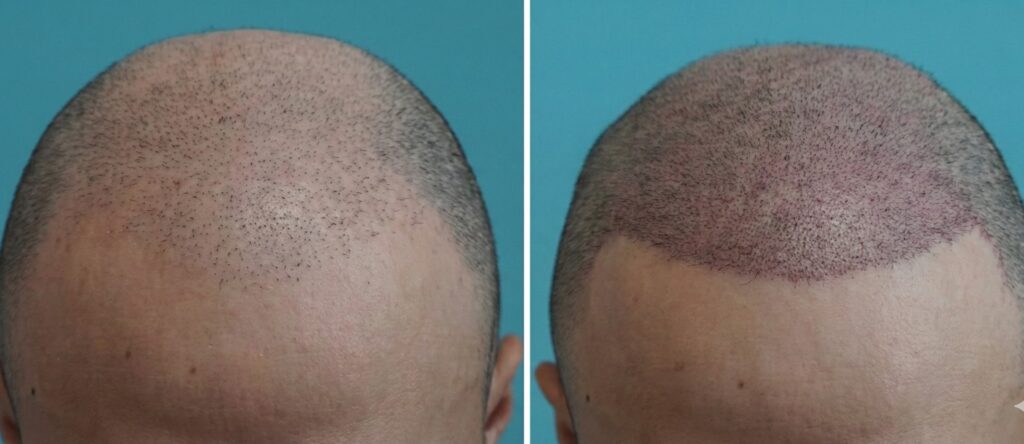
Many people assume that affordable SMP and cheap SMP are the same thing but this is far from accurate. Affordable SMP is simply fairly priced SMP. It still uses medical-grade pigments, sterile equipment, and trained professionals who know how to deliver safe, natural results. Cheap SMP on the other hand often means cut corners. Some clinics offering extremely low prices may use tattoo ink rather than specialised SMP pigment. This can lead to discolouration, blurring, or the dreaded blue or green tint that develops over time.
Another issue with extremely cheap SMP is inconsistent technique. Inexperienced practitioners may not understand how the pigment interacts with the skin or how to match the natural density and pattern of real hair follicles. The result can look flat, patchy, or artificial. Fixing poor-quality SMP can be more expensive than having it done properly in the first place. This is why researching your practitioner is essential.
Quality SMP does not need to be expensive. It needs to be delivered by someone who understands how to map a natural hairline, blend pigment correctly, and choose tones that match your skin and existing hair. When you find a clinic that offers this level of care at a reasonable price, you have found true affordability.
Choosing a Specialist
Selecting the right specialist is the most important part of the entire process. Even if you are seeking a more budget friendly option, it is wise to look for a practitioner who has completed recognised SMP training courses and can show a consistent portfolio of healed results. Many artists post fresh work online but healed images tell the true story of their skill.
A good specialist will always take their time during the consultation. They should listen to your goals, examine your scalp, and offer honest guidance about what will look most natural. You should never feel rushed or pressured. The consultation is your chance to ask questions about the pigments they use, their hygiene practices, and the expected longevity of the treatment.
Pay attention to the clinic environment as well. Even an affordable clinic should be clean, well organised, and professionally presented. Equipment should be sterile and the practitioner should follow proper safety protocols. If anything feels unclear or unprofessional, trust your instincts.
Reviews are also incredibly helpful. Look for comments that mention how the results have held up over time, how comfortable the sessions were, and whether the practitioner was supportive throughout the healing process. Consistent positive feedback is a strong indicator that you are in good hands.
FAQ
SMP typically lasts between four and six years before a top up is needed. The fading is gradual and natural. A quick refresh session brings the look back to its original appearance.
Most people describe the sensation as mildly uncomfortable but not painful. It feels similar to a light tapping on the scalp. Sensitive areas may feel slightly sharper but the process is very tolerable.
Yes. SMP is not about matching the colour of existing hair but creating the shadow of follicles. Practitioners select pigment shades based on your skin tone rather than your hair colour which allows for a seamless blend even if your hair turns grey over time.
Absolutely. Many women use SMP to create more density in thinning areas or to disguise widening part lines. The results can be incredibly natural and subtle.
Yes, when carried out by trained professionals using correct equipment and pigments. Make sure your practitioner follows strict hygiene standards and uses products specifically formulated for SMP.