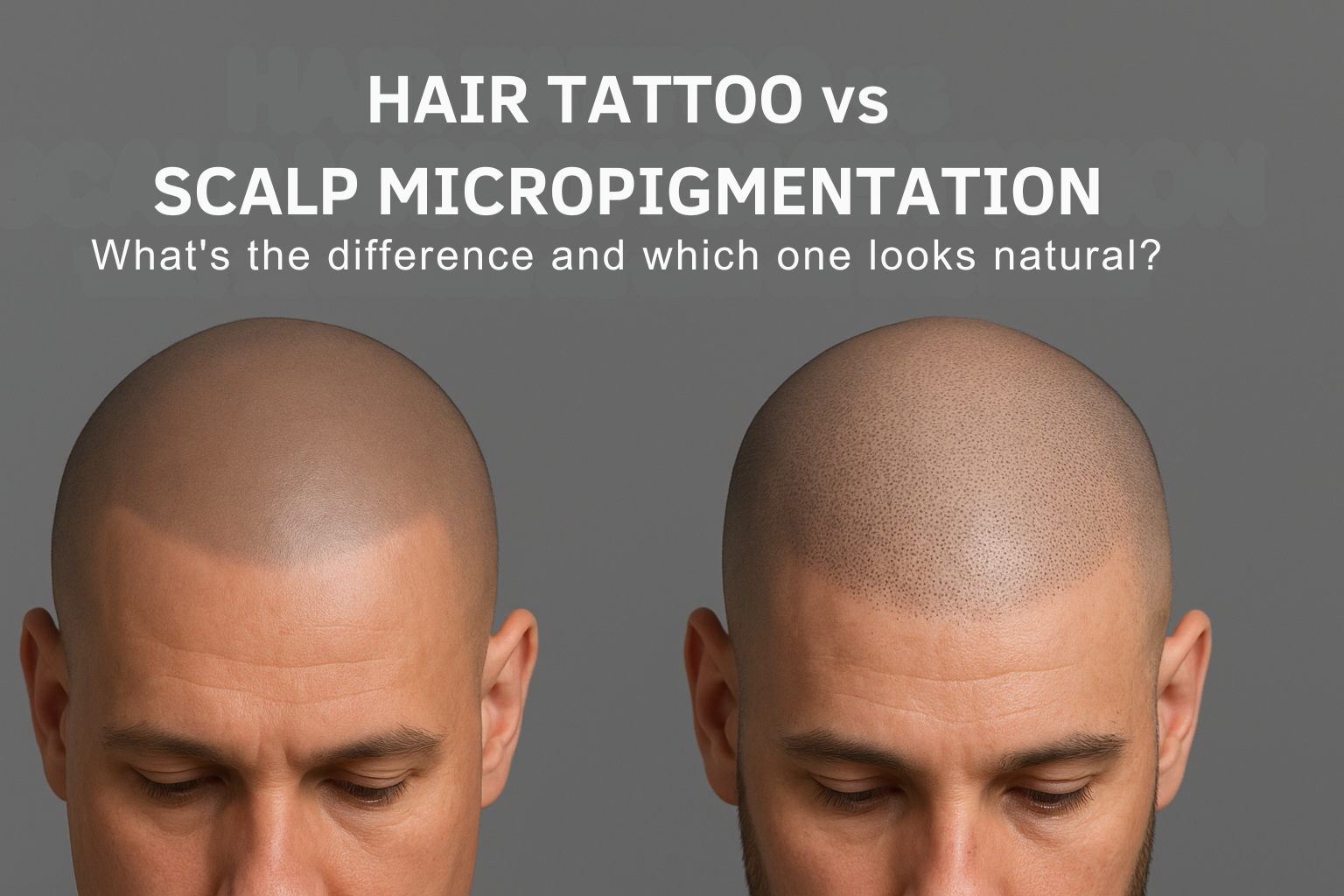
Hair loss is something many people experience at some point in their lives, and with modern cosmetic solutions, there are more ways than ever to address it. Two options that often come up are a hair tattoo and scalp micropigmentation, commonly shortened to SMP. Although some people use the terms interchangeably, they are actually quite different procedures, each with its own benefits and limitations. Understanding what sets them apart can help you make an informed decision that suits your goals and lifestyle, especially if you are exploring treatment providers offering Scalp Micropigmentation London services.
In this article, we’ll look at what a hair tattoo involves, how SMP works, the pros and cons of both methods, which treatment tends to look more natural, and how to decide which option is right for you. To round things off, we’ll also go through some frequently asked questions to give you a clearer picture of these popular hair-loss solutions.
What is a Hair Tattoo?
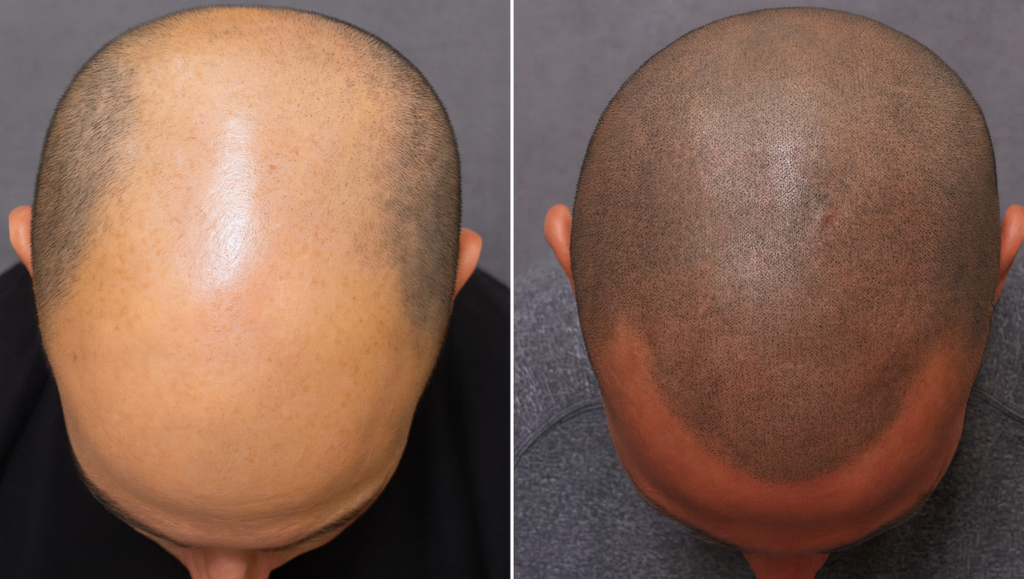
A hair tattoo is essentially a traditional tattoo placed on the scalp to mimic the look of hair. It uses standard tattoo machines and permanent ink, which means it is usually done by tattoo artists rather than specialists in cosmetic scalp work. The idea is simple enough. Tiny dots are tattooed into the skin to resemble hair follicles, creating the impression of a shaved head or a bit more density. For anyone comparing options or exploring different treatments, you can always contact us to discuss what may be best for your needs.
The challenge is that tattoo ink is not designed for this purpose. Because it is placed deeper in the skin, it can blur, spread, or shift into blue or green tones over time. The dots often end up looking larger than real follicles, which makes the result appear patchy or artificial. Removing or correcting a hair tattoo can also be difficult and usually requires laser treatment.
In the end, a hair tattoo offers a visual change, but it rarely delivers the natural look most people hope for.
What is Scalp Micropigmentation (SMP)?
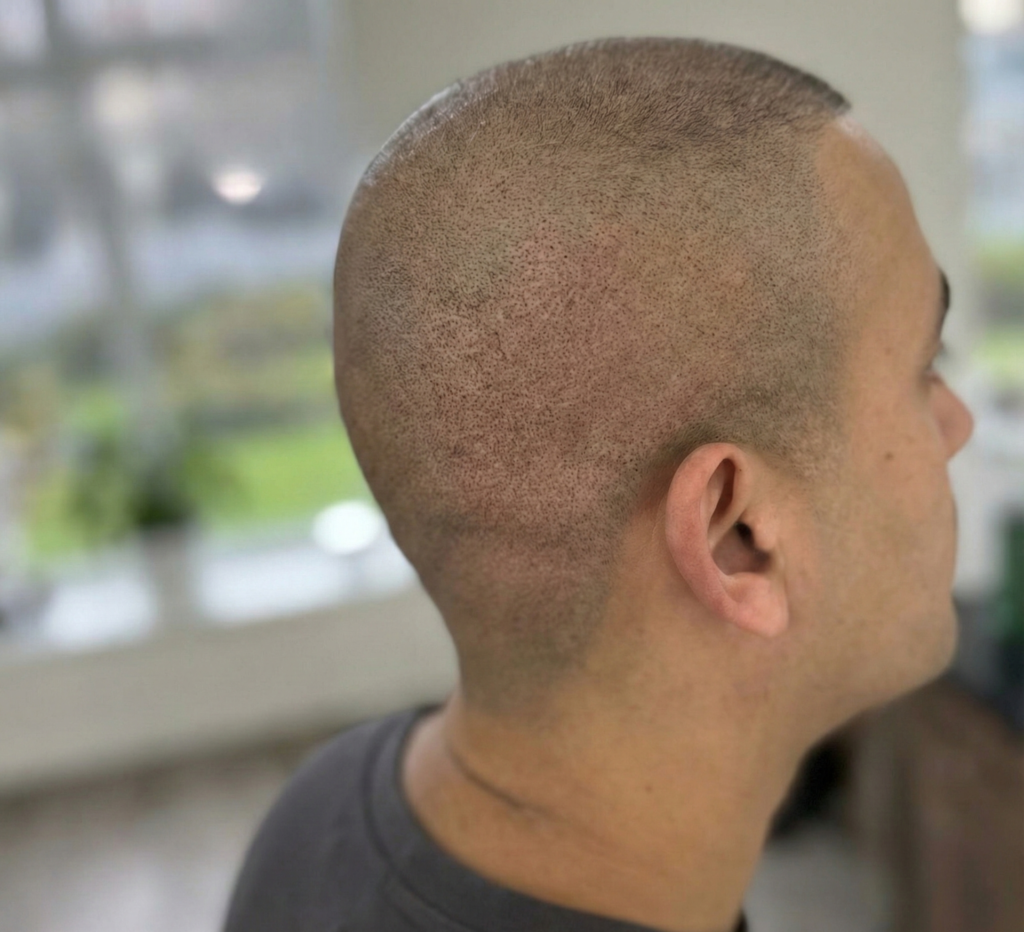
Scalp micropigmentation is a specialised cosmetic procedure designed to replicate the look of natural hair follicles. Unlike a traditional hair tattoo, SMP is performed using micro-needles and pigments created specifically for the scalp. Certified practitioners carry out the treatment with careful precision, placing tiny dots that closely resemble genuine hair follicles. If you want to explore the technique further, resources such as the Healthline SMP guide offer a helpful overview of what to expect.
The pigment is placed at a shallow and controlled depth within the skin, which is what gives SMP its crisp and realistic finish. It can create the appearance of a full shaved head, improve density on thinning areas, or even rebuild a receding hairline. Many people view it as the gold-standard non-surgical solution for hair loss because it looks authentic, holds well over time, and offers consistent results.
Another major advantage of SMP is its longevity. Although the pigment softens gradually, it fades in a natural and even way rather than blurring or changing colour as traditional tattoo ink often does. The treatment is also highly customisable, allowing practitioners to tailor the shade, density, and hairline design to suit your natural colouring and facial structure.
Pros and Cons
Hair Tattoo
The main benefit of a hair tattoo is that it is a familiar procedure for those who have experience with body art. It can be a quick way to add the visual impression of hair on the scalp, and it is permanent. However, there are several drawbacks. The dots may appear too large or unnatural, the colour can change over time, and the result can look patchy. Because it is performed by tattoo artists rather than hair specialists, the technique may not be tailored to mimic real hair. Removal or correction is difficult and often requires multiple laser sessions.
Scalp Micropigmentation
SMP offers several advantages over traditional hair tattoos. The result is more natural, with tiny dots that replicate real hair follicles. The pigments are designed specifically for the scalp, so the colour remains stable and fades gradually without turning blue or green. SMP is also safer and more predictable, with treatments tailored to your individual hairline, skin tone, and style preferences. On the downside, SMP can require multiple sessions to achieve the perfect look, and it is typically more expensive than a conventional hair tattoo.
Which Looks More Natural?
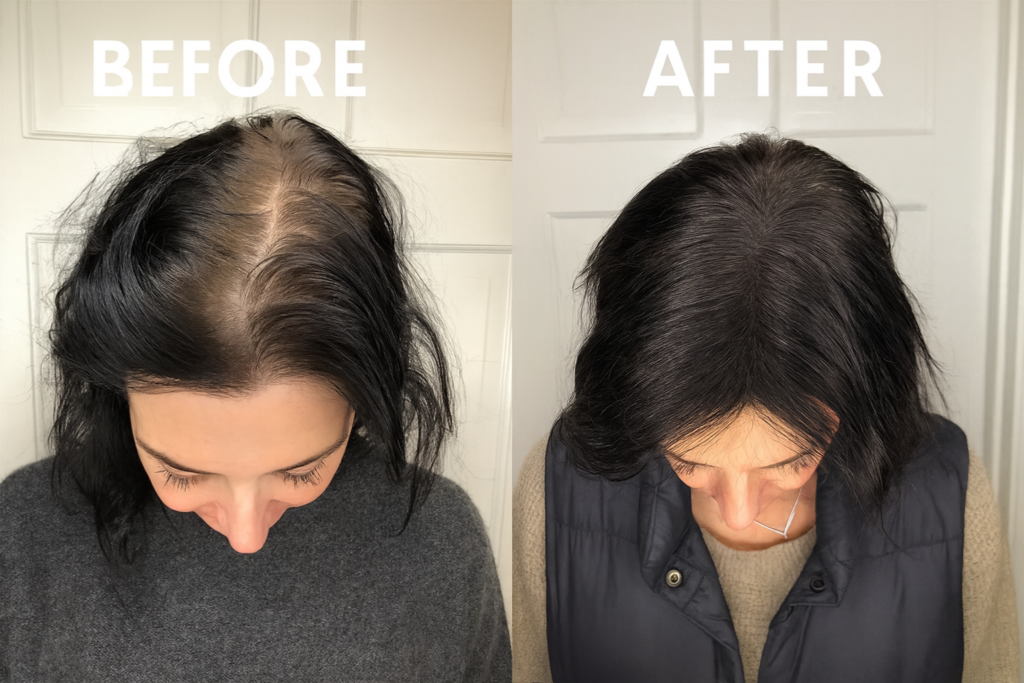
If your primary goal is a realistic appearance, SMP is generally the better option. The procedure is designed to replicate the look of natural hair, and when performed by a skilled practitioner, it is difficult to distinguish from real follicles. Hair tattoos, by contrast, often appear blocky or artificial, especially as the ink ages. The natural-looking shading and fine dotting techniques used in SMP create a subtle depth and texture that a hair tattoo cannot match.
People who want a shaved-head style or to restore thinning areas often find SMP achieves a far more convincing and aesthetically pleasing result. While hair tattoos may serve an artistic purpose or create bold scalp designs, they fall short when the goal is natural hair replication.
Choosing the Right Option
Choosing between a hair tattoo and SMP comes down to your goals and expectations. If you want a simple artistic design on your scalp, a hair tattoo might be suitable. However, if you are looking for a natural solution to hair loss, SMP is generally the superior choice.
Before making a decision, it is important to research qualified SMP practitioners. Look at their portfolio, read client reviews, and ensure they have experience with various hair types and skin tones. A well-trained practitioner can design a hairline that suits your face and age, creating a result that looks completely natural.
It is also worth considering your lifestyle and how much maintenance you are prepared for. SMP typically requires occasional touch-ups to maintain the pigment, while a hair tattoo may require laser removal or correction if it fades or changes colour.
Bringing It All Together
If your goal is to restore the natural appearance of hair, scalp micropigmentation is generally the best choice. It combines professional artistry, specialised pigments, and precise techniques to create a realistic illusion of hair follicles that a traditional hair tattoo cannot match.
A hair tattoo can offer a visual change, but it rarely achieves the subtlety and authenticity of SMP. Whether you are looking to regain confidence, restore a receding hairline, or add density to thinning hair, SMP provides a solution that is safe, predictable, and long-lasting.
Before committing to any procedure, it is important to choose a qualified practitioner with a strong track record. Careful research and planning will ensure that you achieve a natural, satisfying result that complements your appearance and boosts your confidence.
FAQ
Like any tattoo, a hair tattoo involves some level of discomfort because the needles penetrate the skin. Pain tolerance varies from person to person, but most clients report that it is manageable.
SMP can last several years, usually around five to eight, depending on your skin type, lifestyle, and sun exposure. The pigment gradually fades, but the effect remains natural.
Yes, but it is not simple. Removal usually involves laser treatments, which can be costly and may require multiple sessions. Complete removal is not always guaranteed.
SMP is typically more expensive than a traditional hair tattoo due to the specialised equipment, pigments, and practitioner expertise. However, the long-term results and natural appearance often make it a better investment for those seeking realistic hair restoration.
Absolutely. SMP can be tailored to your natural hair colour, skin tone, hairline shape, and desired density, giving a personalised result that looks completely natural.